Mastering the Room: The Silent Language of Elite Club Membership
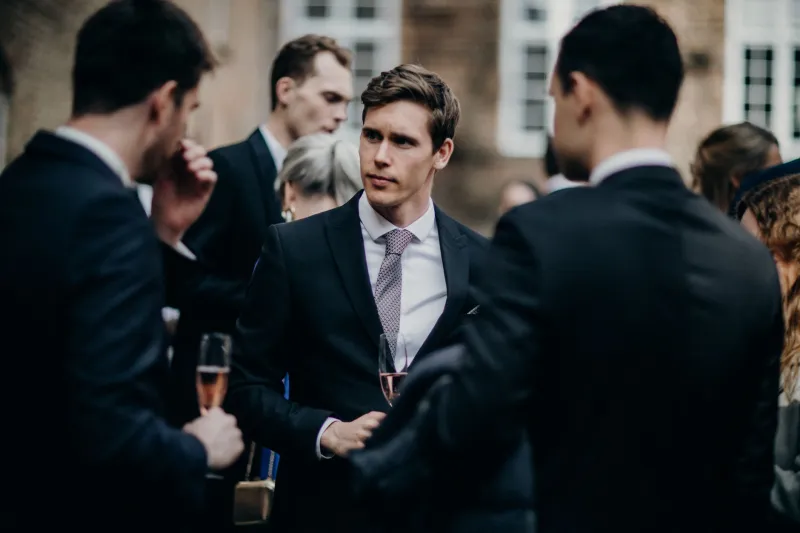
There is a particular kind of confidence that announces itself without a word. You have likely witnessed it — perhaps at a private dinner, a members-only reception, or an invitation-only event where the room itself seemed to tilt toward certain individuals the moment they entered. No introduction was made. No title was offered. And yet the dynamic shifted, almost imperceptibly, as though the space had quietly reorganized itself around a new gravitational center.
This is the silent language of elite membership — a sophisticated, largely uncodified system of behavioral signals that experienced members deploy with remarkable precision. At venues like The PlayXL Club, where premium experience and genuine exclusivity intersect, understanding this language is not merely a social advantage. It is, for many, the difference between occupying a room and truly belonging to it.
The Architecture of Arrival
How a member enters a space reveals more than most people realize. Newcomers to elite environments frequently make the same mistake: they arrive with visible eagerness, scanning the room for familiar faces or, worse, notable ones. The eyes move quickly. The posture betrays anticipation.
Long-standing members move differently. Their entrance is unhurried — deliberate without being theatrical. They greet staff by name, not as a performance of warmth but as a natural extension of genuine familiarity built over time. This distinction matters enormously. Calculated warmth reads as performance; authentic familiarity reads as belonging.
The greeting extended to a coat check attendant, a sommelier, or a host carries weight in elite social environments. It signals duration of membership, frequency of attendance, and — perhaps most critically — the kind of person one is when no audience appears to be watching.
Seating as Social Cartography
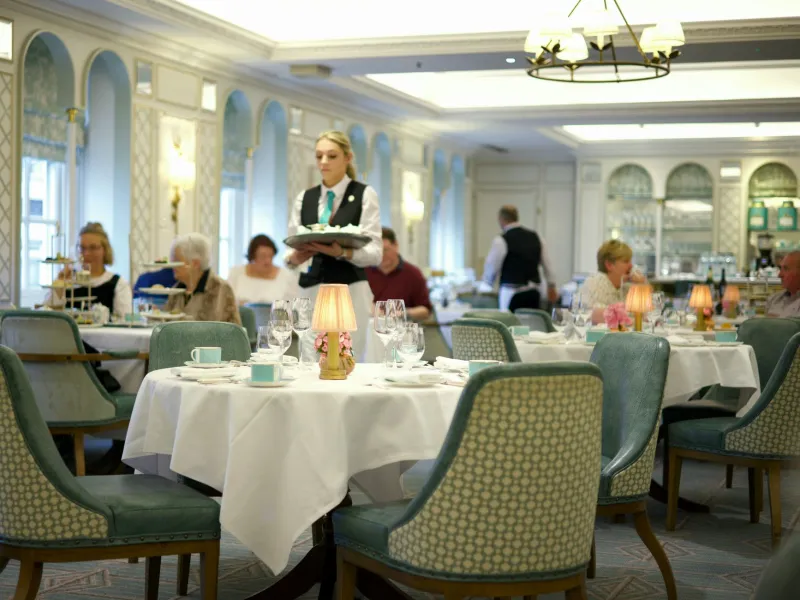
In any premium venue, the geography of seating is anything but arbitrary. Experienced members understand this intuitively. The table closest to the entrance may offer visibility, but it is rarely the most coveted position among those who have been around long enough to know better. Corner placements, rooms within rooms, and seats that command sight lines without being conspicuously central — these are the choices of individuals who have learned to prioritize presence over display.
The selection of a seat also communicates social intent. Positioning oneself at the periphery of a gathering signals selective engagement — the message being that one's company is a choice, not a default. Conversely, anchoring at the center of a table suggests either genuine sociability or, in less experienced hands, an overcorrection toward visibility.
At The PlayXL Club, members who have cultivated deep familiarity with the space tend to gravitate toward configurations that maximize meaningful conversation while minimizing performative exposure. The room becomes, in essence, a map — and the most seasoned among them have long since memorized every contour.
The Discipline of Selective Conversation
Perhaps nothing distinguishes a true insider from a well-dressed newcomer more reliably than the topics they choose — and, crucially, those they decline — to discuss.
In elite social settings, the compulsion to establish credentials through conversation is a nearly universal impulse among those still finding their footing. Name-dropping, résumé-adjacent storytelling, and the subtle inflation of professional accomplishments are all recognizable signals of social insecurity, regardless of how polished the delivery.
Experienced members operate from a different premise entirely. They ask more than they tell. Their curiosity is specific rather than performative — directed at the particular enthusiasms, projects, and perspectives of the person across from them rather than at the abstract goal of appearing interested. This distinction, subtle as it sounds, is immediately legible to others operating at the same level.
Conversation topics themselves carry social weight. Discussions of markets, philanthropy, and cultural patronage signal engagement with a world of consequence. Gossip — however tempting — marks its practitioner as someone still invested in social hierarchy rather than someone comfortably positioned within it.
Dress as Fluency, Not Costume
The relationship between clothing and status in elite environments is frequently misunderstood by those approaching from the outside. The assumption that premium membership requires conspicuous luxury in dress is, among the most established members, almost entirely backward.
Logomania and overt brand signaling are widely recognized within seasoned circles as the aesthetic vocabulary of aspiration rather than arrival. The individual who has nothing to prove dresses accordingly — with evident quality, impeccable fit, and a studied restraint that communicates ease rather than effort.
This is not to suggest that elite dress codes are casual or indifferent. Quite the opposite. The attention to detail is acute — a precisely chosen watch, a fabric that photographs poorly but feels extraordinary, shoes maintained with the kind of care that speaks to long-term thinking. The difference lies in the intended audience. The newcomer dresses for the room. The established member dresses for themselves, and the room notices.
Patience as the Ultimate Status Signal
Of all the behavioral markers that separate long-standing members from those still acclimating, patience may be the most underappreciated. Elite social environments reward those who demonstrate comfort with time — who do not rush toward connection, opportunity, or recognition.
The member who lingers over a single conversation rather than working the room sends a powerful signal: that their social capital is already sufficient, that they are not in search of something they lack. This posture of sufficiency — genuine rather than performed — is among the most legible status signals in any exclusive setting.
At The PlayXL Club, the most enduring relationships forged among members tend to emerge from encounters that were never rushed toward an outcome. A shared appreciation for a particular wine. A conversation about architecture that extended well past the intended hour. An introduction made without expectation of reciprocity.
These moments accumulate into a reputation that no introduction, however impressive, can manufacture.
What the Room Already Knows
The silent hierarchy of elite club culture is not, at its core, about exclusion. It is about fluency — the accumulated ease that comes from genuine engagement with a world of refined experience over time. The codes are learnable, but they resist shortcut. They are, by design, the product of attention, patience, and a willingness to observe before performing.
For members of The PlayXL Club who are still developing their literacy in this language, the most useful posture is perhaps the oldest social wisdom available: say less, notice more, and treat every interaction — from the first greeting at the door to the last conversation of the evening — as worthy of your full presence.
The room is always paying closer attention than it appears to be.